

Blog
Great Lakes Optometry Blog
Learn more about optometrist care in our blog!
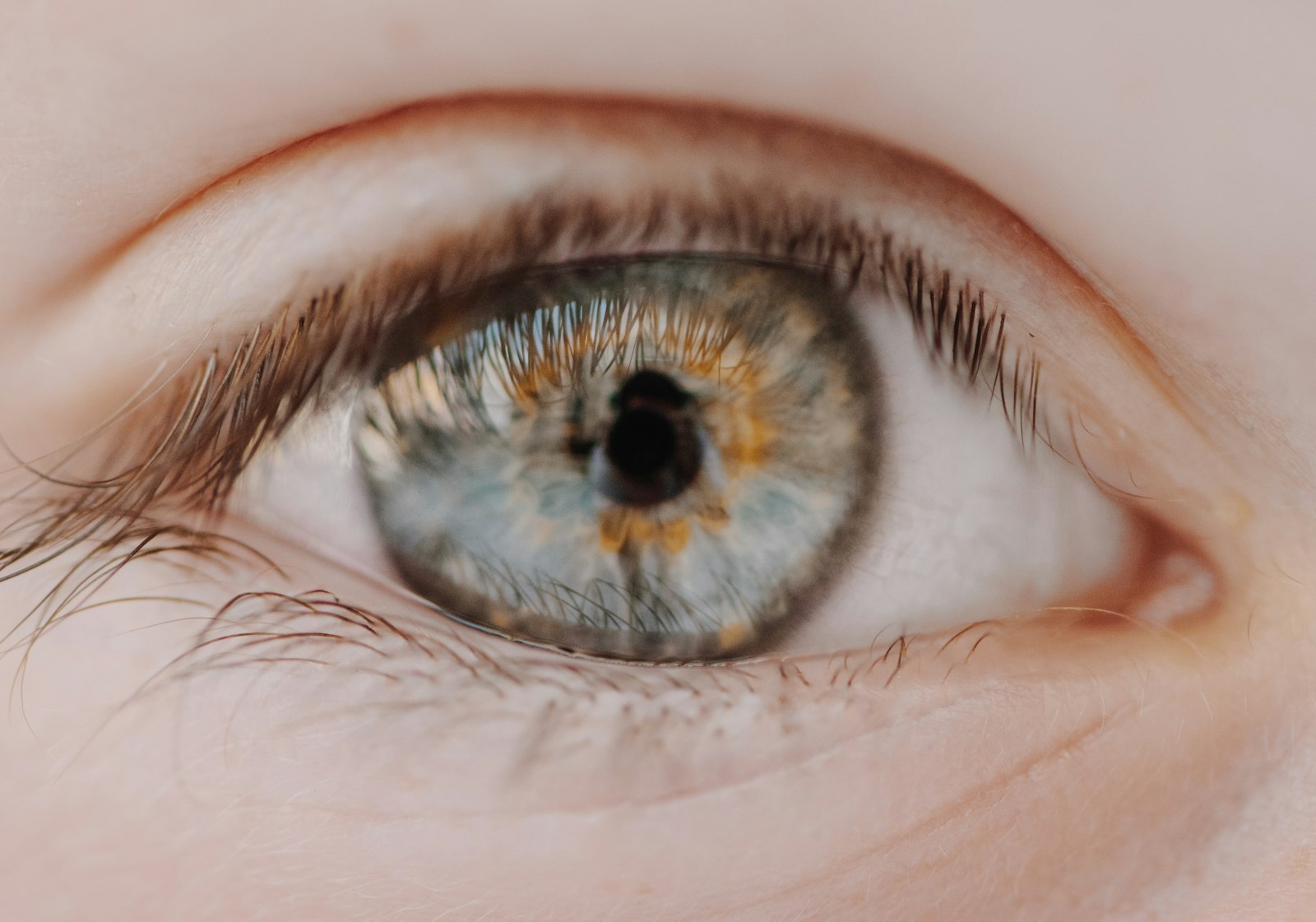
Human eye color comes from melanin, the same compound that determines skin and hair color. Melanin absorbs light, even some UV light, which is important for the iris — the part of the eye that controls how much light enters the pupil. Melanin and Pigment Types There are two different types of m...
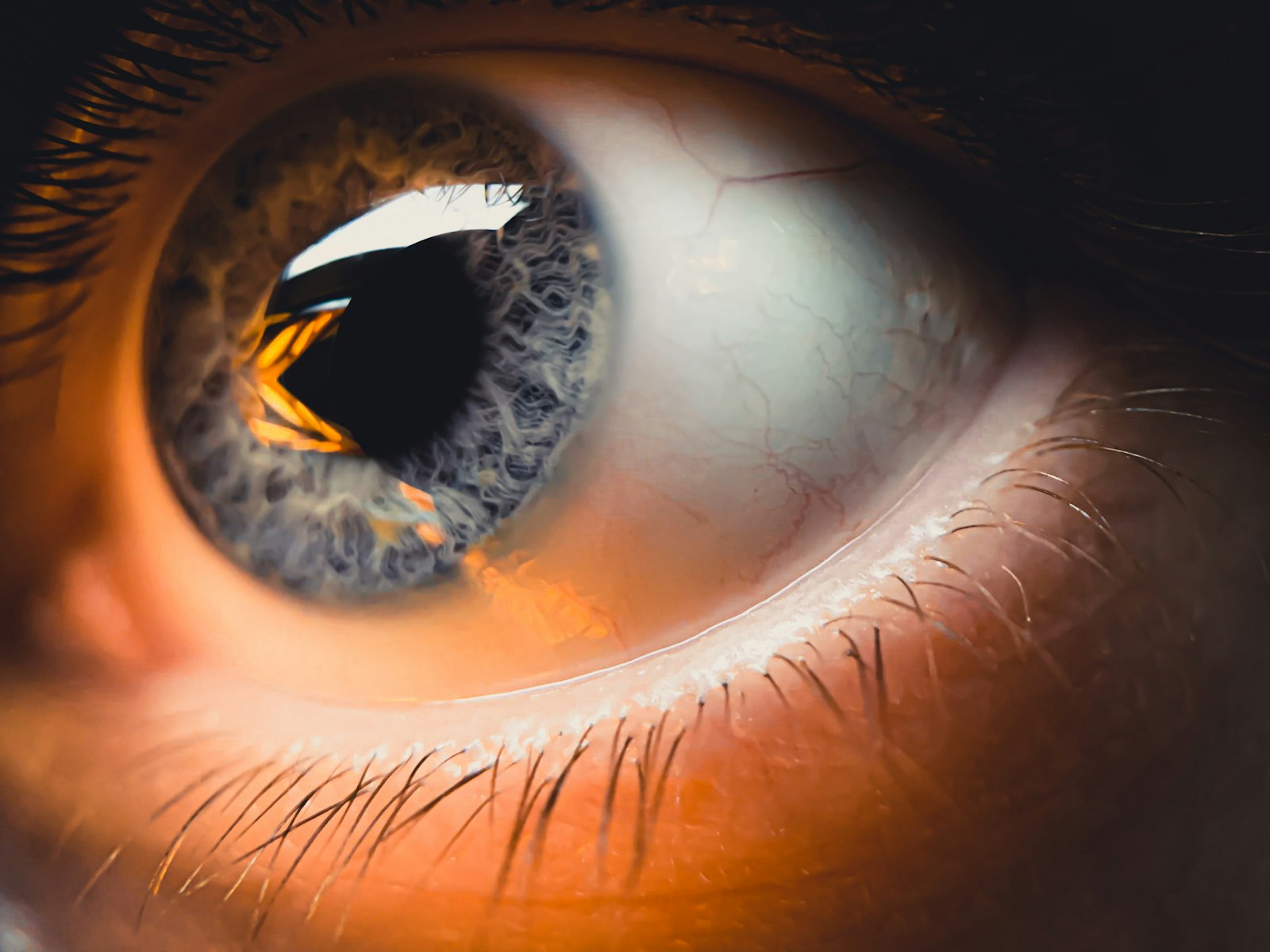
Human eyes are incredibly complex, which means there are many ways something can go wrong. The particular one we want to focus on is retinal detachment: a serious, sight-threatening condition that will affect 1 in every 300 people at some point in their lives. Retinal detachment can be treated wi...
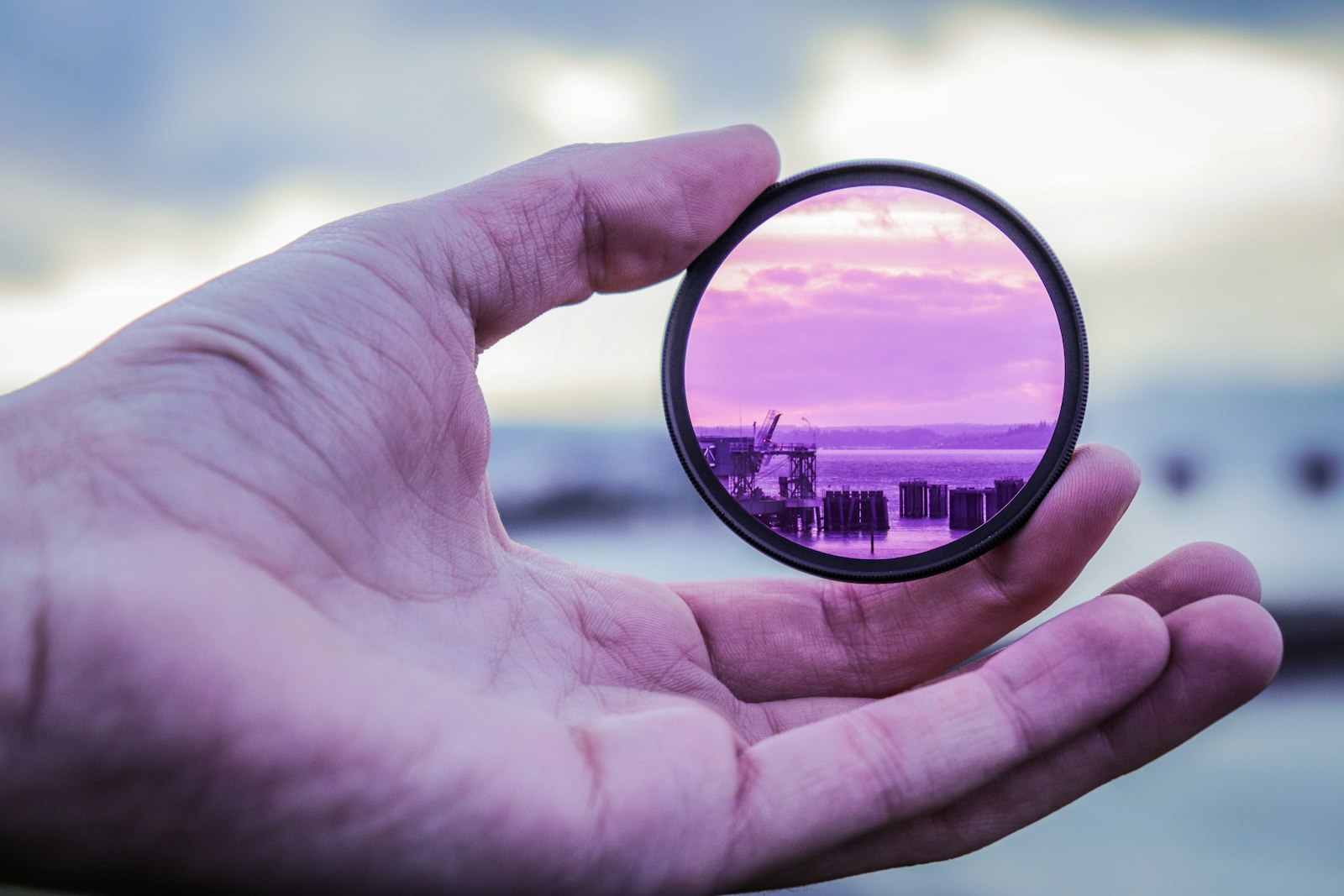
Since as early as 60 A.D., people have been using vision-correcting tools to help them see. Around that time, the Roman philosopher Seneca used a glass globe of water to magnify text, while Emperor Nero needed a magnifying emerald to see gladiator fights. Thanks to millennia of innovations since ...
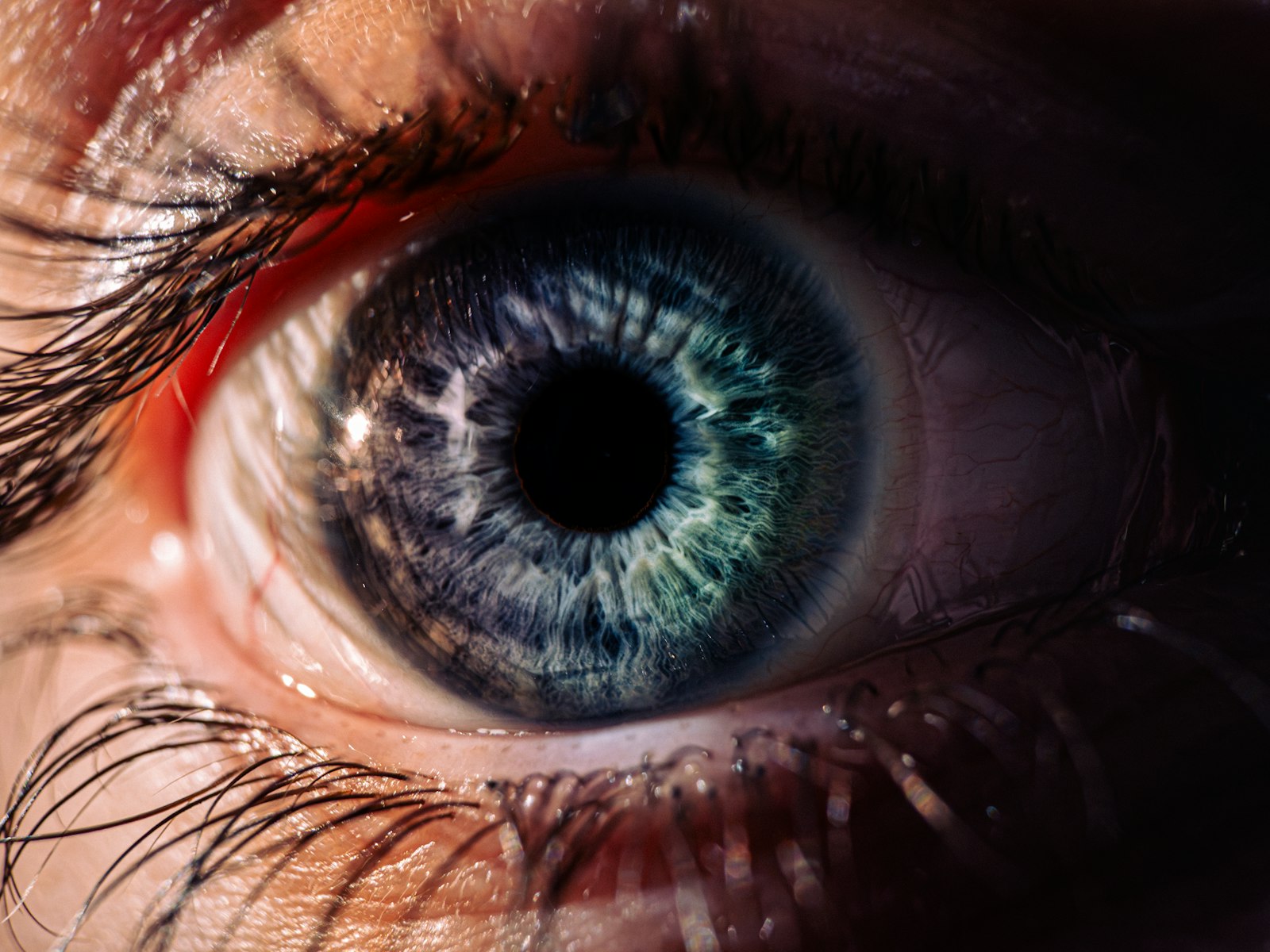
Vision problems can’t all be corrected with glasses or contact lenses. When even the strongest corrective lenses aren’t enough to produce clear vision, that’s visual impairment. Even for those of us who don’t live with visual impairments of our own, it’s good to understand them so that ...
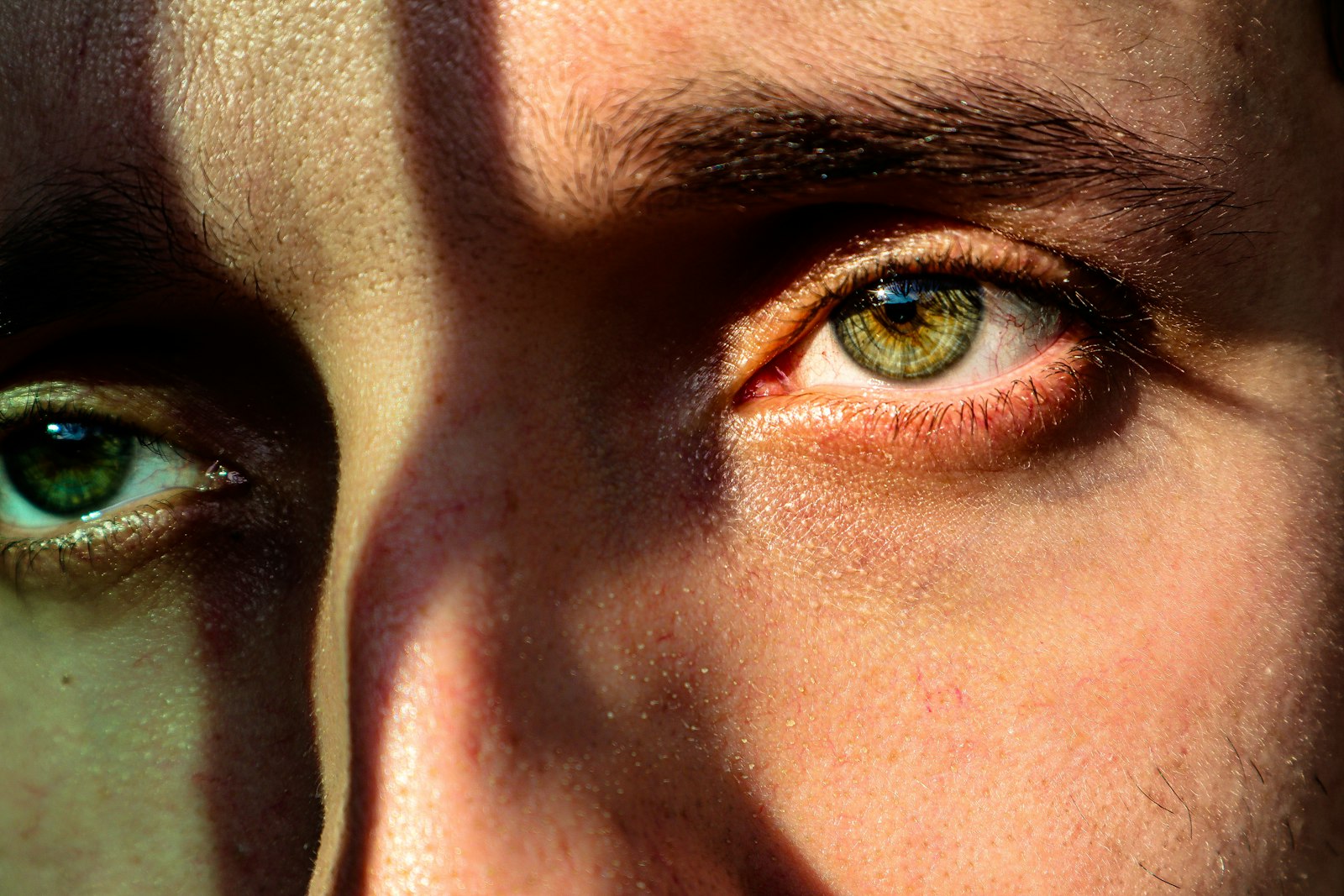
Studies have shown that sleep deprivation hits the body and mind a lot like alcohol. That isn’t great, but where do our eyes fit into the equation? When we get enough sleep, it’s great for both our overall health and our eye health, and we can also improve our quality of sleep by changing wha...
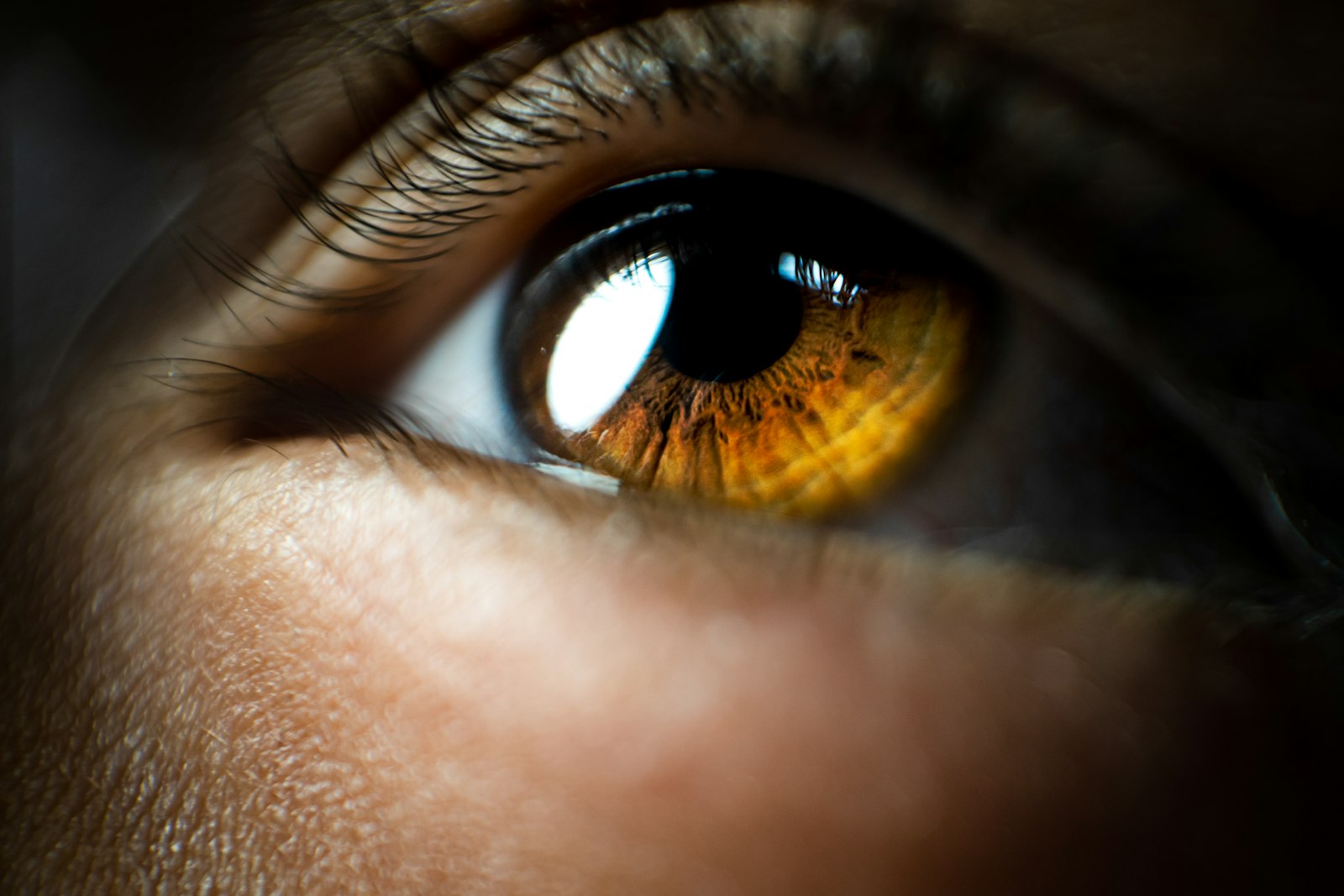
44% of all eye injuries happen in the home. The good news is that up to 90% of eye injuries are preventable if we take simple precautionary measures like wearing protective gear when working with chemicals or power tools and minimizing the unnecessary hazards around the home. Identifying the Home...

A great way to take a Halloween costume or cosplay outfit to the next level is with costume contact lenses. However, unlike every other piece of a costume, contact lenses are medical devices, so we need to take special care to make sure we buy ones that are safe and fit properly. Here are a few i...
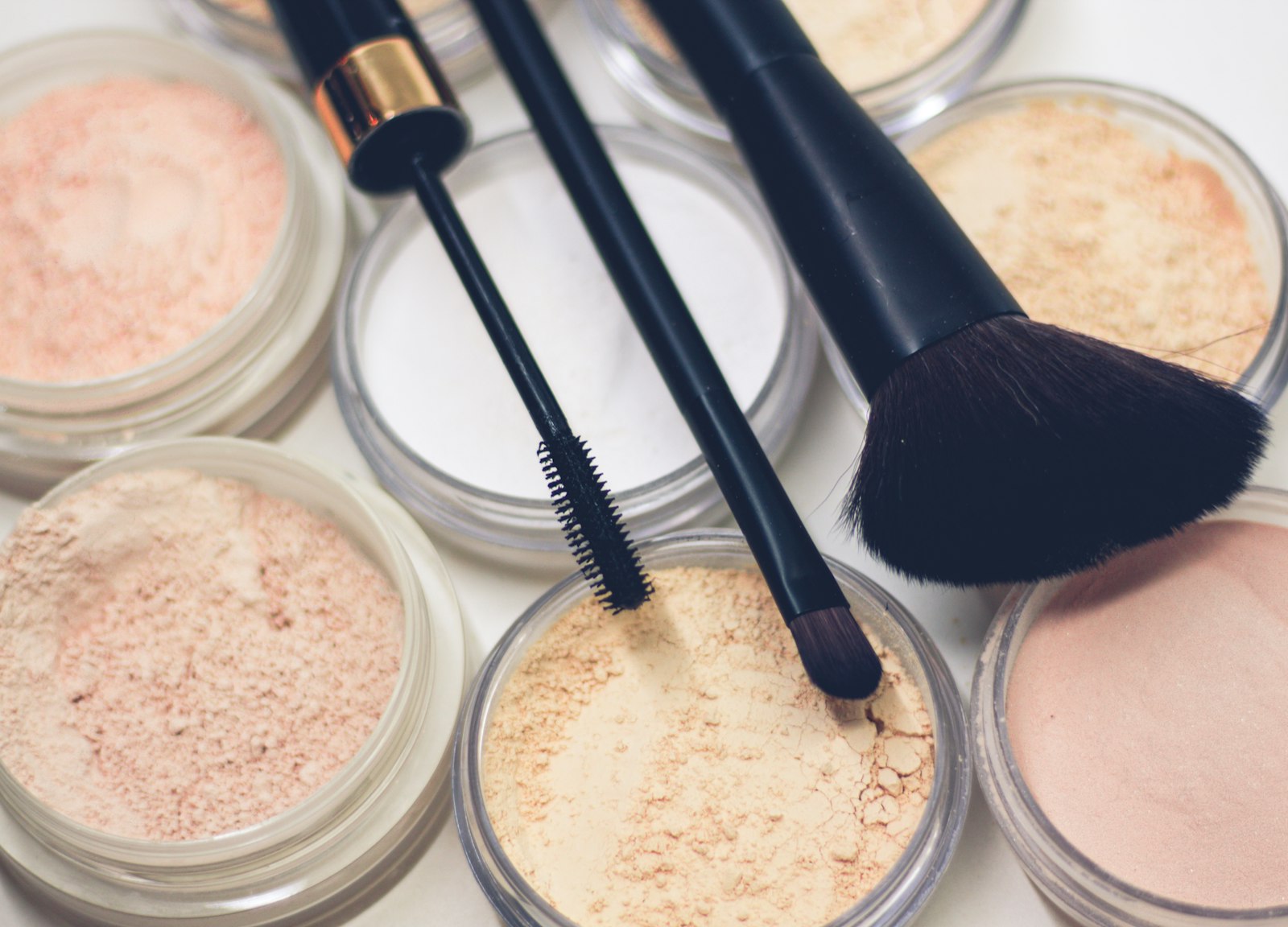
Back in the old days, makeup was full of ingredients like lead, arsenic, and mercury. Thankfully we don’t have to worry whether or not we’re putting actual poison on our faces when we apply modern makeup, but we should still take a few precautions to protect our eyes from unnecessary injury a...
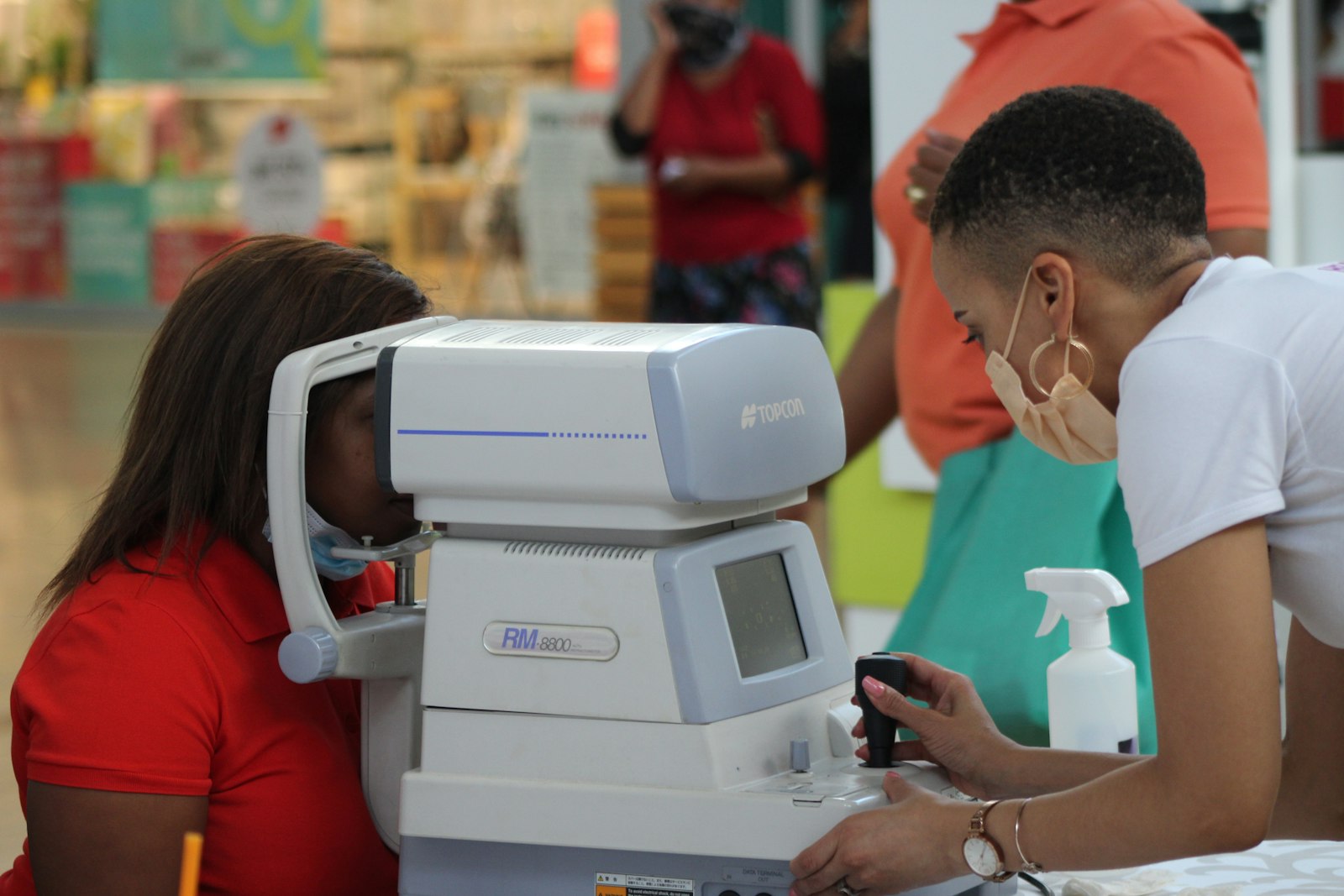
Your dentist has probably told you to get a cleaning and exam every six months, but how often should we get eye exams? Preventative care is as important for eye health as for dental health, even when you don’t need a new glasses or contact lens prescription. Our eyes are incredibly complex and ...
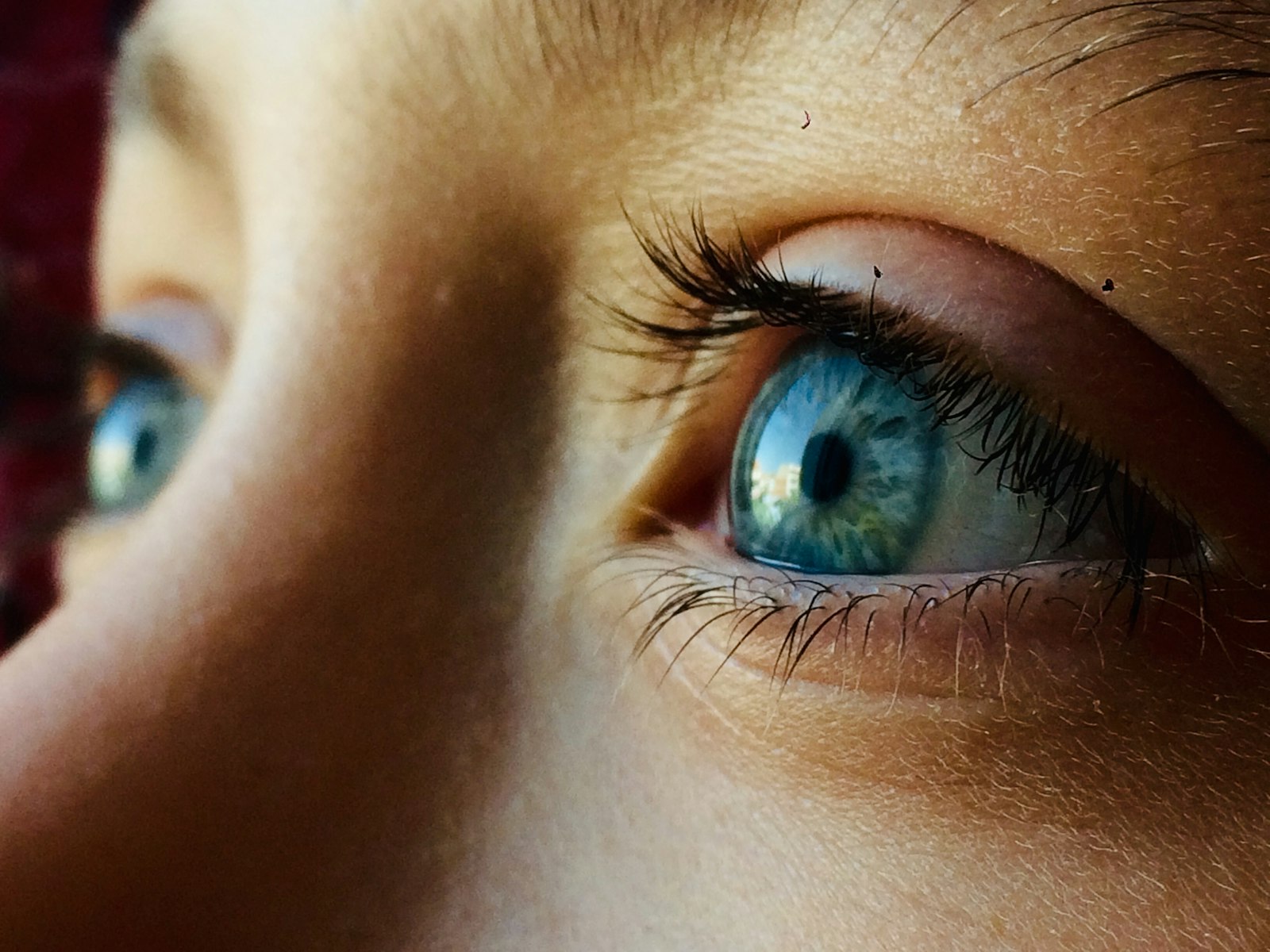
Among the many changes our bodies undergo as we get older are the changes to our eyesight. Early diagnosis is critical for stopping many sight-threatening conditions in their tracks, which is why we should be on the watch for signs of age-related vision loss. There are also more benign ways our e...



Contact Info
Office Hours
© 2026 Great Lakes Optometry. All rights Reserved. Accessibility Statement - Privacy Policy - Sitemap
Designed & Managed By:
