

Understanding Meibomian Gland Dysfunction (MGD) and How iLux & OptiLight IPL Can Help
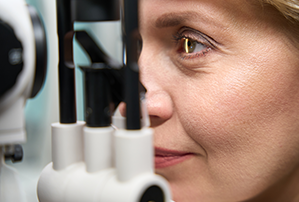
Meibomian Gland Dysfunction (MGD) is one of the most common causes of dry eye symptoms and dry eye disease. Understanding this condition and knowing the latest treatment options, like iLux and OptiLight IPL, can be the key to restoring comfort and protecting your vision.
Meibomian Gland Dysfunction (MGD) is one of the most common causes of dry eye symptoms and dry eye disease. Understanding this condition and knowing the latest treatment options, like iLux and OptiLight IPL, can be the key to restoring comfort and protecting your vision.
What is Meibomian Gland Dysfunction (MGD)?
Meibomian Gland Dysfunction occurs when the meibomian glands in your eyelids become blocked or inflamed, preventing them from producing enough healthy oils to maintain a stable tear film. These oils are essential for preventing rapid tear evaporation and ensuring the eyes remain hydrated. These glands are located inside the bottom and upper eyelid. Without proper oil secretion, the tear film becomes unstable, leading to symptoms such as:
Dryness and irritation
Redness
A gritty or burning sensation
Blurry vision
Increased sensitivity to light
What Causes MGD? MGD can result from several factors, including:
Aging
Prolonged screen time and reduced blinking
Inflammation from conditions like rosacea or blepharitis
Environmental factors (e.g., dry climates, pollution)
Contact lens use
Hormonal changes
Left untreated, MGD can cause:
Dry eye syndrome
Eyelid inflammation,
Vision fluctuations
Watery eyes
Damage to your eye


Contact Info
Office Hours
© 2026 Great Lakes Optometry. All rights Reserved. Accessibility Statement - Privacy Policy - Sitemap
Designed & Managed By:
