

How OptiLight by Lumenis and LLLT Target the Root Cause of Evaporative Dry Eye Without Daily Drops
Dry eye symptoms can develop for many reasons, and evaporative dry eye is one common form that occurs when tears evaporate too quickly from the surface of the eye. Meibomian gland dysfunction, often called MGD, is a major contributor because these small oil-producing glands in the eyelids help create the protective oil layer of the tear film.
When the glands do not function properly, the tear film may become unstable, leading to symptoms such as burning, irritation, fluctuating vision, redness, and a gritty sensation. While artificial tears and other drops can help lubricate the eye surface, they may not address underlying eyelid gland dysfunction on their own.
At Great Lakes Optometry, we evaluate the factors contributing to dry eye symptoms before recommending treatment options. The goal is not to promise that every patient can stop using drops, but to explore approaches that may extend beyond relying only on daily lubrication.
How OptiLight by Lumenis Supports Dry Eye Management
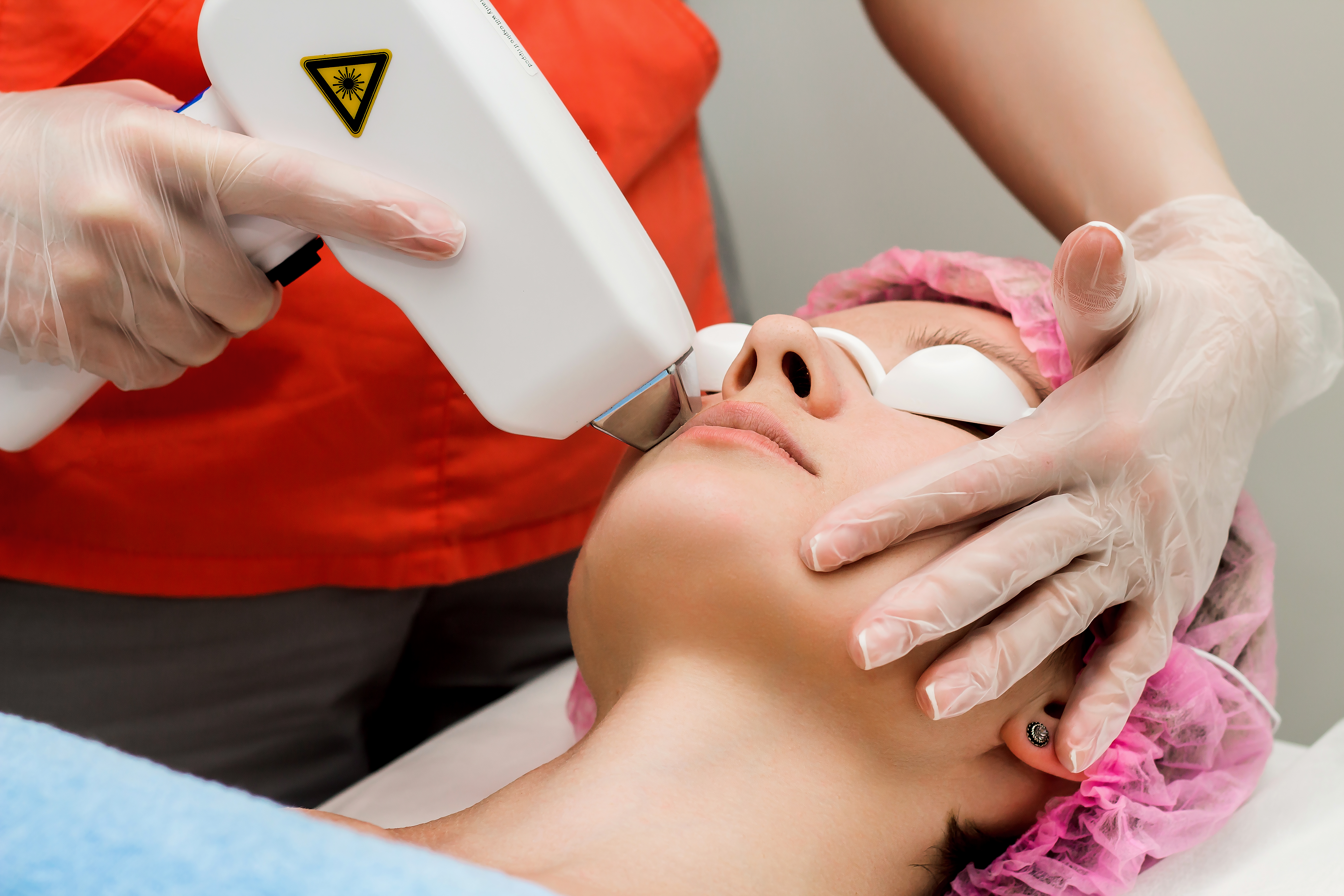
OptiLight by Lumenis is an intense pulsed light treatment applied to the skin below the eyes and cheek area with proper eye protection. It is designed as part of a comprehensive approach for managing meibomian gland dysfunction associated with dry eye in eligible adults.
OptiLight is typically considered alongside other dry eye strategies, which may include artificial tears, warm compresses, gland expression, and other recommended care plans. Eligibility depends on factors such as medical history, skin type, and an eye care provider’s evaluation.
Because dry eye has multiple causes, OptiLight is not a cure for every type of dry eye and does not restore damaged or atrophied glands. Instead, it is one tool that may support management when MGD plays an important role in symptoms.
How LLLT Helps Address Eyelid-Focused Dry Eye Concerns
Low-level light therapy, or LLLT, uses LED light delivered in a way that differs from IPL. LLLT is an eyelid-focused approach that has been studied for patients with meibomian gland dysfunction and evaporative dry eye concerns.
Research on LLLT and dry eye treatment continues to develop. Current evidence suggests that some patients may experience improvements in certain tear film measurements, but outcomes can vary. More treatments do not automatically mean better relief, so our team focuses on choosing therapies based on each patient’s examination findings and goals.
Some patients using LLLT or OptiLight may still need drops, eyelid care, or ongoing maintenance. Treatment decisions should always be personalized, and prescribed medications should not be stopped without guidance from your eye care provider.
Questions To Ask About Dry Eye Treatment Options
Before starting a treatment plan, consider discussing:
· Is meibomian gland dysfunction a likely cause of my dry eye symptoms?
· Which treatment option fits my eye health, symptoms, and examination results?
· What benefits and limitations should I expect from this approach?
· Are there risks, preparation steps, or factors that affect my eligibility?
· What home care and follow-up plan will support my long-term eye comfort?
Creating A Personalized Dry Eye Plan in Sault Ste. Marie
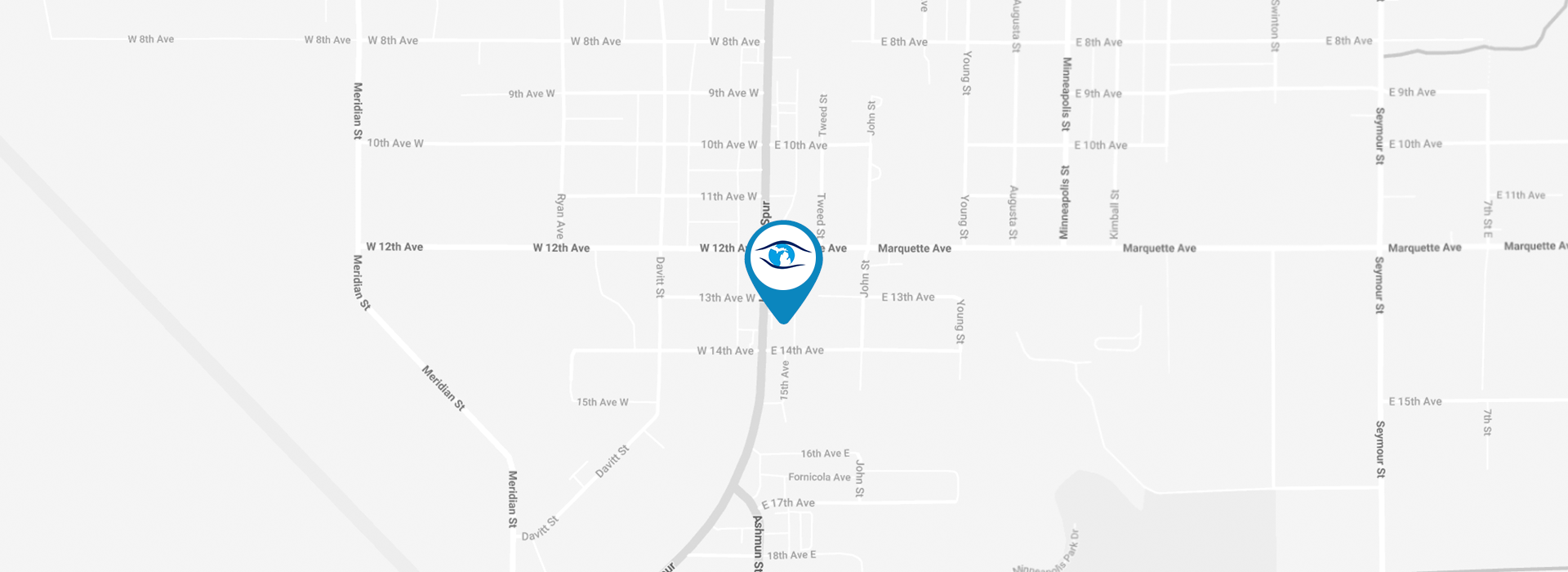
At Great Lakes Optometry in Sault Ste. Marie, we use a thorough evaluation process to understand your tear film, eyelid health, symptoms, and previous treatment response. Dry eye care may include a combination of in-office treatments and at-home strategies depending on your specific needs.
Appointment preparation can help us create a more effective plan. Bring a list of current medications, supplements, and eye drops, along with information about previous eye or skin procedures. It is also helpful to note when symptoms occur, what makes them better or worse, and how you have responded to previous treatments. Severe eye pain or sudden vision changes require urgent medical attention.
Schedule a dry eye evaluation with Great Lakes Optometry in Sault Ste. Marie, Michigan, by calling (906) 635-9600.

Contact Info
Office Hours
© 2026 Great Lakes Optometry. All rights Reserved. Accessibility Statement - Privacy Policy - Sitemap
Designed & Managed By:
